Full basements are uncommon in Central Florida, but some Lakeland area homes built on slopes or near lakes have lower levels, walk-out rooms or below-grade spaces. Those rooms sit closer to groundwater and cooler soil, and they can stay damp enough for mold. We connect you with an independent provider who can deal with mold in these spaces and the moisture behind it.
Why Low Rooms Stay Damp
Below-grade walls are in contact with soil that holds moisture after rain. Water can seep through block or concrete, especially where gutters dump near the foundation or the yard slopes toward the house. Cooler wall surfaces also collect condensation when humid air from upstairs drifts down.
In homes near one of the area's many lakes, a high water table can add to the problem during the rainy months. Signs include a white powdery residue on block walls, peeling paint, a damp smell, rust on metal shelving and mold along the bottom of finished walls or behind furniture pushed against an outside wall.
Handling Finished Walls and Floors
Finished lower levels often have drywall over furring strips, carpet over concrete and boxes stored against the walls, which all trap moisture. When mold shows up, the provider usually removes the lower section of drywall to see behind it, along with any wet insulation.
- Drywall is cut above the highest point of damage
- Carpet and pad that stayed wet are removed
- Concrete and block surfaces are cleaned and dried
- Stored items are moved and checked for mold
Rebuilding with moisture-resistant materials, such as leaving a gap at the floor or using cement board low on the wall, can help prevent a repeat.
Keeping a Lower Level Dry
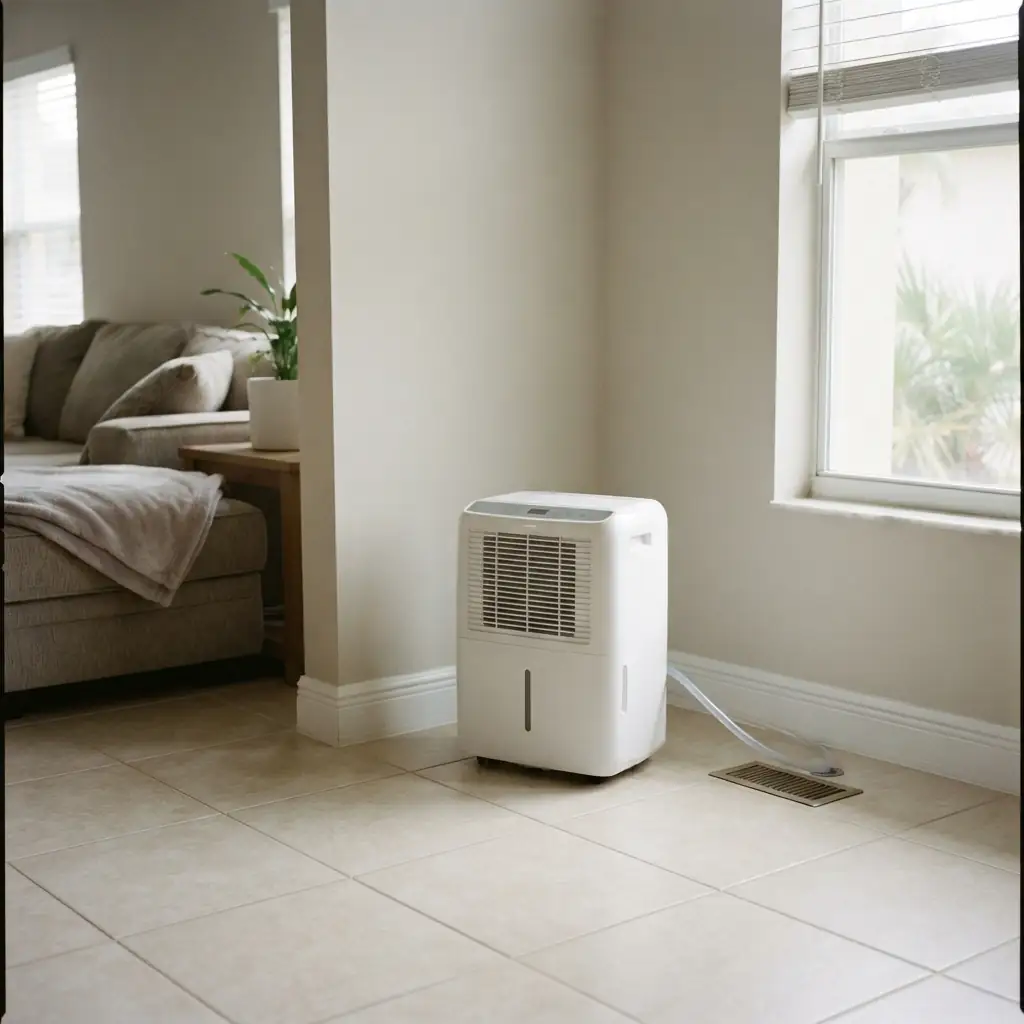
Most of the lasting fix happens outside. Gutters and downspouts should send water well clear of the house, and the ground should fall away from the foundation. Inside, a dehumidifier sized for the room, steady air conditioning and sealed cracks in the walls all help.
If water actively seeps in during storms, a waterproofing contractor may be needed for drainage or a sump system. The mold provider should tell you whether they see signs of active water entry and steer you to the right trade if so.
Before Calling About a Lower Level
Look at where the dampness shows up and whether it changes with rain. Check where your downspouts discharge. Move stored items a few inches away from walls so the provider can see them. Those details help sort out whether the job is mainly mold cleanup, moisture control or both.